
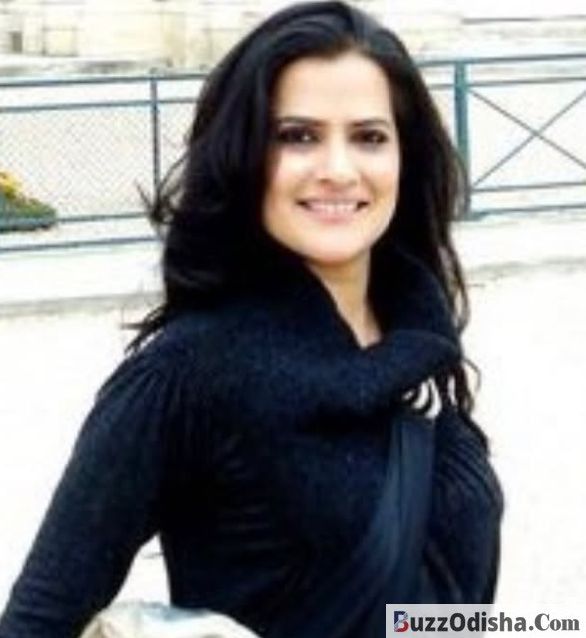
Introduction
Sona Mohapatra Biography – Sona Mohapatra is an Indian singer, music composer, lyricist, and performer whose voice has travelled from advertising jingles to Bollywood soundtracks to international collaborations. Best known for songs like “Ambarsariya,” “Bedardi Raja,” and “Bahara,” she built a career that runs parallel to a public life marked by outspoken activism on gender issues in the entertainment industry. Born and raised partly in Odisha, she is one of the state’s most recognisable cultural exports to the Hindi music industry, even as her work spans classical, Sufi, folk, and pop idioms. This article brings together verified details of her life, career, and public journey.
Sona Mohapatra Biography: Quick Facts
| Field | Details |
|---|---|
| Full Name | Sona Mohapatra |
| Profession | Singer, music composer, lyricist, performer, producer |
| Date of Birth | 17 June 1976 |
| Age (As of 2026) | 50 |
| Birthplace | Cuttack, Odisha, India |
| Nationality | Indian |
| Education | B.Tech (engineering), College of Engineering and Technology, Bhubaneswar (now Odisha University of Technology and Research); MBA, Symbiosis Centre for Management & HRD, Pune |
| Husband | Ram Sampath (music composer) |
| Marriage | 2005 |
| Parents | Dilip Mohapatra (father, Indian Navy officer) and Nayantara Mohapatra (mother) |
| Siblings | Pratichee Mohapatra (singer) and Madhumita Mohapatra |
| Known For | “Ambarsariya” (Fukrey), “Bedardi Raja” (Delhi Belly), Satyamev Jayate, “Shut Up Sona” documentary |
Early Life and Family
Sona Mohapatra was born on 17 June 1976 in Cuttack, Odisha, into an Odia family. Her father, Dilip Mohapatra, served as an officer in the Indian Navy, and the nature of his postings meant the family moved between several cities during her childhood rather than staying rooted in one place. Her mother, Nayantara Mohapatra, encouraged all three daughters toward music from an early age; Sona trained in Hindustani classical singing during her growing-up years. She has two sisters, Pratichee Mohapatra and Madhumita Mohapatra. Pratichee went on to build her own career as a singer, including time with the pop group Viva, and has spoken publicly about her sister’s support through a serious personal health battle.
Education
Mohapatra completed her undergraduate studies in engineering at the College of Engineering and Technology, Bhubaneswar — the institution that has since been restructured and renamed the Odisha University of Technology and Research (OUTR). Different accounts describe her engineering specialisation slightly differently (Instrumentation & Electronics Engineering in some profiles, Mechanical Engineering in others), a minor discrepancy that has not been resolved by a single authoritative primary source, though the underlying fact of a B.Tech from this Bhubaneswar institution is well corroborated. She subsequently earned an MBA in marketing and systems from the Symbiosis Centre for Management & HRD in Pune. Her engineering-and-management background is unusual for a mainstream Indian playback singer and is frequently cited in profiles of her as part of what shaped her direct, unfiltered public voice.
Also Check – Sulagna Panigrahi Biography
How Sona Mohapatra Started Her Career
Before music became her full-time profession, Mohapatra worked in the corporate sector as a brand manager at Marico, the Indian consumer goods company, where she handled brands including Parachute and Mediker. Alongside her corporate job, she pursued singing, and her first professional recordings were advertising jingles — most notably the Tata Salt campaign “Kal Ka Bharat Hai” and Unilever’s Close Up “Paas Aao Na,” the latter aired across more than a dozen countries. It was through this period, in 2002, that she met composer Ram Sampath, having been introduced by filmmaker Ram Madhvani. She eventually left her corporate role to pursue music full-time.
Music Career
Mohapatra released her self-titled debut album, Sona, in 2006 on Sony BMG, drawing on a mix of rock, rhythm and blues, flamenco, Hindustani classical, Baul, and Romani influences, with songs like “Aja Ve,” “Bolo Na,” and “Tere Ishq Nachaya.” Over the following years she built a reputation as an independent artist unwilling to be boxed into a single genre, performing everything from Sufi qawwali-inspired sets to concept shows built around Indian classical and folk traditions. She and Ram Sampath run their own music production house, OmGrown Music, through which much of her independent work has been released.
Sona Mohapatra’s Major Songs and Musical Works
Some of her most recognised recordings include:
- “Bedardi Raja” and “I Hate You (Like I Love You)” — Delhi Belly (2011)
- “Bahara” with Shreya Ghoshal — I Hate Luv Storys (2010)
- “Jiya Laage Na” — Talaash (2012)
- “Ambarsariya” — Fukrey (2013)
- “Khurafati Akhiyan” — Bajatey Raho (2013)
- “Naina” with Armaan Malik — Khoobsurat (2014)
- “Qatl-E-Aam” — Raman Raghav 2.0 (2016)
- “Beda Paar” — Laapataa Ladies (2024)
She has also recorded internationally influenced material, including a rendition of David Bowie’s “Let’s Dance” and a version of INXS’s “Afterglow,” the latter of which drew considerable attention. Her performance of the Odia folk song “Rangabati” on Coke Studio (India) in 2015 became one of her more talked-about independent projects, sparking public discussion in Odisha over reinterpretations of regional folk classics; Mohapatra defended her rendition publicly at the time.
Bollywood and Playback Singing Career
Within Hindi film music, Mohapatra’s biggest break came through her association with composer Ram Sampath, who scored several of the films she is best known for, including Delhi Belly and Fukrey. “Ambarsariya” in particular became one of the defining independent-flavoured hits of Bollywood’s early 2010s soundtrack era. She has also worked with composers such as Vishal–Shekhar, Amal Malik, and Govind Vasantha across different projects, and returned to Hindi film music in 2024 with “Beda Paar” for Laapataa Ladies, again composed by Sampath.
Television and Other Media Appearances
Mohapatra came to wide national attention through Satyamev Jayate, the social-issue talk show hosted by Aamir Khan that aired on Star India from 2012. She was the show’s lead singer and also served as executive producer of its musical component — a role she has described as consuming an enormous amount of emotional and physical energy, given the show’s difficult subject matter, which included female foeticide and child sexual abuse. Songs such as “Mujhe Kya Bechega Rupaiya” and “Ghar Yaad Aata Hai Mujhe” from the show reached large audiences online. She later served as a judge on Zee TV’s singing reality show Sa Re Ga Ma Pa, alongside Wajid Khan and Shekhar Ravjiani, a role that ended amid the public fallout from her #MeToo allegations (discussed below).
Sona Mohapatra and Ram Sampath
Mohapatra is married to Ram Sampath, the Bollywood music composer and director known for his work on films including Delhi Belly and Talaash, as well as Satyamev Jayate. The two met in 2002 and married in 2005. Professionally, they are partners in the independent label OmGrown Music and maintain their own recording studio in Mumbai, where the couple is based. Several of Mohapatra’s best-known playback songs, including “Bedardi Raja” and “Ambarsariya,” were composed by Sampath, making their professional and personal partnership one of the more visible husband-wife creative collaborations in the Indian music industry.
Awards and Achievements
Mohapatra has received nominations at several major Indian music honours for her playback work, including a Best Female Playback Singer nomination at the Screen Awards and the Star Guild Awards (2014) for “Ambarsariya,” a Female Vocalist of the Year nomination at the Mirchi Music Awards (2014) for the same song, a Most Entertaining Female Singer nomination at the BIG Star Entertainment Awards (2013), and a Best Female Playback Singer nomination at the Global Indian Music Awards (2013) for “Jiya Laage Na.” She received a further Mirchi Music Awards nomination in 2017 for “Ankahee.”
Her most significant recognised achievement to date is connected to Shut Up Sona, the 2019 documentary about her life and career, directed by Deepti Gupta and produced by Mohapatra herself. The film won the National Film Award for Best Editing in 2021 (for editor Arjun Gowrisariya) and picked up additional honours on the festival circuit, including the Best Documentary Film Award at the Indian Film Festival of Melbourne, a Special Mention from the Film Critics Guild at MAMI, and the Impact DOCS Award in the United States.
Also Check – Antara Biswas (Monalisa) Biography
Activism and Social Issues
Mohapatra has been one of the more consistently vocal figures in Indian entertainment on issues of gender inequity in the music industry, including pay disparity between male and female artists and the sidelining of women performers at festivals and award shows. In October 2018, during the #MeToo movement in India, she publicly accused singer-composer Kailash Kher and composer Anu Malik of sexual misconduct, describing specific incidents involving both men. Her allegations against Malik, along with similar accounts from singers including Neha Bhasin and Shweta Pandit, contributed to sustained public pressure that eventually led to his departure from his judging role on Indian Idol. She has also spoken and written about the backlash women who come forward in India’s entertainment industry often face, describing being labelled a “troublemaker” following her allegations. She is associated with international platforms such as Spotify’s EQUAL campaign, which supports greater visibility for women in music.
Major Controversies
Mohapatra’s outspoken public commentary has repeatedly put her at the centre of controversy. In 2019, after she criticised Salman Khan over remarks he made regarding actress Priyanka Chopra’s exit from his film Bharat, she received death threats from some of his fans and later shared screenshots of the abuse online; the incident drew attention from India’s Ministry of Women and Child Development regarding the safety of women facing online harassment. In 2025, she again publicly criticised Salman Khan, this time over comments he made addressing questions about the age gap between himself and a co-star, calling his response dismissive of the underlying concern. She has separately clashed publicly with an Indian religious organisation, the Madariya Sufi Foundation, which objected to one of her music videos, and with fellow entertainers over public disagreements, including a widely reported social-media exchange with actress Sonakshi Sinha in 2017. In 2025, she also drew criticism online after publicly objecting to the framing of tributes following the death of actress Shefali Jariwala, a controversy that generated significant reaction on social media. Through these episodes, Mohapatra has generally maintained that she does not regret speaking out, even when it has drawn hostility.
Sona Mohapatra’s Connection With Odisha
Though her professional life has been based mostly in Mumbai since she moved there to pursue music, Mohapatra frequently references her Odia identity and upbringing in interviews and public statements. Her rendition of the Sambalpuri folk classic “Rangabati” on Coke Studio brought Odia music to a national audience, even as it triggered debate within Odisha about reinterpreting a beloved regional song for a mainstream platform. She has spoken about the relative underrepresentation of Odia musical influences in Bollywood compared to Punjabi, Rajasthani, Bengali, and southern Indian musical traditions, and has positioned some of her independent work as an attempt to bring Odisha’s musical heritage into wider circulation.
Personal Life
Mohapatra lives in Mumbai with her husband, Ram Sampath, where the couple also runs their recording studio and independent label, OmGrown Music. She maintains an active public profile on social media, where she is known for direct, often unfiltered commentary on social and industry issues alongside posts about her music and performances.
Recent Work and Current Career
In more recent years, Mohapatra has continued to balance playback and independent music, contributing the song “Beda Paar” (composed by Ram Sampath) to the 2024 film Laapataa Ladies. She continues to perform live concerts under different self-curated formats — including a mainstream pop-style show, a cultural-statement concept show called Sona Tarasha, and Lal Pari Mastani, a themed presentation exploring stages of love through music, poetry, and dance. She remains an active commentator on entertainment-industry and social issues on social media, with her public statements regularly generating news coverage.
Social Media and Official Platforms
Mohapatra maintains verified public profiles across major platforms, including Instagram, Facebook, YouTube, and Threads, where she shares music releases, concert updates, and commentary. Her official music and event information can also be found via her music website and through listings on platforms such as BookMyShow and IMDb.
Also Check – Subhashree Sahu Biography
Frequently Asked Questions about Sona Mohapatra Biography
Who is Sona Mohapatra?
Sona Mohapatra is an Indian singer, music composer, and lyricist known for Bollywood playback songs, independent music, and public advocacy on gender issues in the entertainment industry.
How old is Sona Mohapatra?
She was born on 17 June 1976, which makes her 49 as of the article’s publication in 2026, and 50 following her June birthday.
When is Sona Mohapatra’s birthday?
Her birthday is 17 June.
Where was Sona Mohapatra born?
She was born in Cuttack, Odisha, India.
Who is Sona Mohapatra’s husband?
She is married to Ram Sampath, an Indian music composer and director.
When did Sona Mohapatra marry Ram Sampath?
The couple married in 2005, having met in 2002.
What is Sona Mohapatra known for?
She is best known for playback songs such as “Ambarsariya” (Fukrey), “Bedardi Raja” (Delhi Belly), and “Bahara” (I Hate Luv Storys), as well as her role as lead singer and executive producer of the musical segment of Satyamev Jayate, and for the National Award-winning documentary Shut Up Sona, based on her life.
What are Sona Mohapatra’s popular songs?
Popular songs include “Ambarsariya,” “Bedardi Raja,” “Bahara,” “Jiya Laage Na,” “Naina,” and her Coke Studio rendition of “Rangabati.”
Where did Sona Mohapatra study?
She earned a B.Tech from the College of Engineering and Technology, Bhubaneswar (now Odisha University of Technology and Research), followed by an MBA from the Symbiosis Centre for Management & HRD, Pune.
Is Sona Mohapatra from Odisha?
Yes, she was born in Cuttack, Odisha, and often speaks publicly about her Odia identity and heritage.
What is Sona Mohapatra’s contribution to Indian music?
Beyond her playback and independent recordings, she is recognised for bringing Odia folk music to national attention through projects like Coke Studio’s “Rangabati,” and for her public advocacy for fair treatment of women artists in the Indian music industry.
Does Sona Mohapatra have siblings?
Yes, she has two sisters: Pratichee Mohapatra, also a singer, and Madhumita Mohapatra.
What controversies has Sona Mohapatra been involved in?
She has been involved in several high-profile public disputes, most notably her 2018 #MeToo allegations against Kailash Kher and Anu Malik, repeated public criticism of Salman Khan’s remarks about women, and disagreements with religious groups and fellow celebrities over her public statements.
Reference – Wikipedia